

 See My Latest Article on HelloNation
Can Lower Back Pain Be Managed Safely Without Medication?
Yes, most people with lower back pain can use non-drug strategies to reduce discomfort and improve function. Managing pain without medication focuses on physical movement, posture, and self-care habits that address the underlying cause instead of just masking symptoms. These approaches help limit unnecessary reliance on painkillers, which can cause side effects or dependency, while encouraging healthy activity.
What Movements and Exercises Support Recovery?
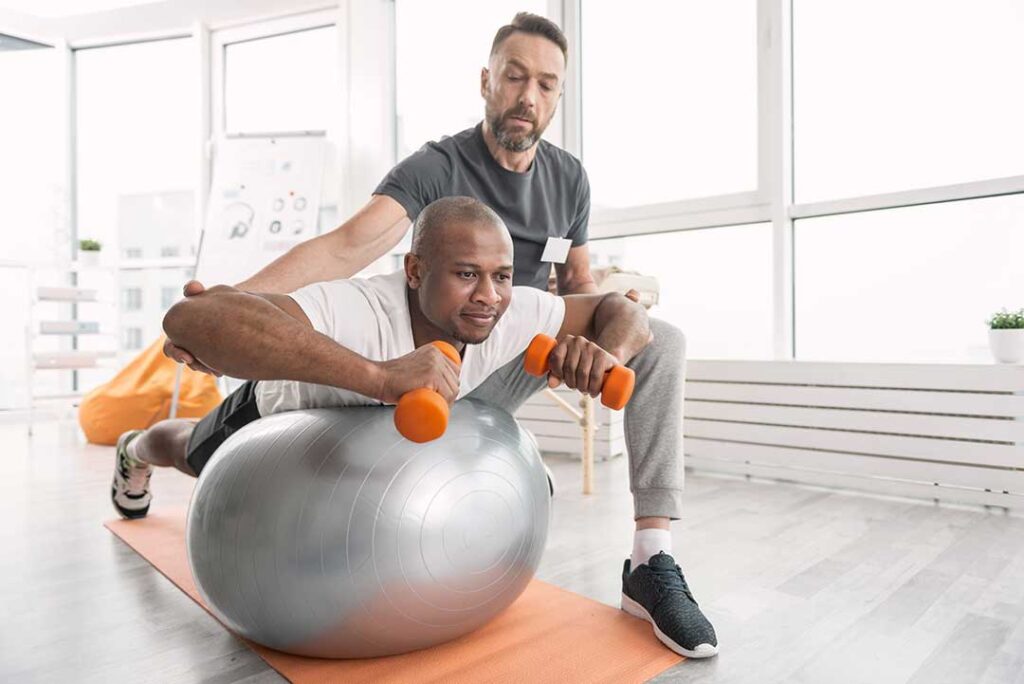
Gentle movement is generally more helpful than bed rest for most types of back pain. Stretching, strength building, and regular low-impact activity support recovery by maintaining flexibility and muscle support for the spine.
People in Fairport, NY often experience back pain related to common activities like gardening, shoveling snow, commuting, or home maintenance. Local weather patterns, such as icy winters and humid summers, can also affect muscle tightness or body mechanics.
Some practical movement ideas include:
- Daily walks on sidewalks or area trails to keep muscles active—start with short distances if discomfort is present
- Pelvic tilts or gentle knee-to-chest stretches on a carpeted floor or yoga mat
- Simple core muscle exercises such as bridges or abdominal bracing—not sit-ups, which may worsen pain
- Swimming at a local pool or using a home exercise bike for low-impact exercise during harsh weather
Movement should be pain-free or mildly uncomfortable, not sharply painful. If any activity increases pain that lingers, pause and return to prior exercises that were manageable.
Are There Posture or Ergonomic Changes That Really Help?
Yes, making small adjustments to posture throughout daily tasks in homes, cars, or workplaces can make a noticeable difference. Many residents live in homes with stairs, do yardwork, or spend time driving. Poor ergonomics can contribute to strain.
Simple adjustments include:
- Using a chair with lumbar support while working at a desk or computer
- Keeping feet flat on the floor and hips/knees at similar heights when sitting
- Raising laptops or monitors to eye level to avoid hunching the upper back
- Taking breaks to stand, stretch, or walk briefly every 30-45 minutes
- Using a supportive pillow under knees when sleeping on the back, or between knees when sleeping on the side
During winter, shoveling should be done with a straight back and bent knees, switching sides frequently. In summer, garden tasks should use knee pads or a low stool to prevent prolonged bending.
How Can Heat, Cold, or Other Simple Remedies Help?
Applying heat or cold can relieve soreness, especially after flare-ups. Local households may benefit from these practical approaches:
- Ice packs are effective during the first 24-48 hours after sudden injury or strain, helping to reduce swelling and numb the area
- Heating pads or warm towels can ease muscle tension and stiffness, suitable for ongoing discomfort
- Always wrap hot or cold packs in a towel to prevent skin burns or frostbite
- Apply for 15-20 minutes at a time, checking skin for irritation
Alternating heat and cold sometimes helps relieve persistent discomfort after physically demanding tasks in the yard or around the home.
What Self-Care Habits Prevent Recurrence?
Regular habits and small daily routines can reduce the risk of future flare-ups. These strategies pair well with local lifestyles and seasonal activities:

- Staying active year-round, adjusting indoor exercise when weather limits outdoor movement
- Stretching after heavy lifting or prolonged sitting, such as after snow removal or long car rides
- Keeping a healthy body weight to limit pressure on the back
- Wearing supportive footwear, especially during walks or chores
- Practicing slow, mindful lifting techniques for groceries, mulch, or boxes—lift with legs, not the back
Local climate means residents transition between outdoor and indoor routines—schedule regular movement breaks regardless of season to keep the back resilient.
When Should Someone Consider Speaking to a Healthcare Professional?
Most back pain improves with self-care, movement, and time. However, immediate medical advice is recommended if back pain is accompanied by:
- Numbness, tingling, or weakness in one or both legs
- Loss of bladder or bowel control
- Severe pain that does not improve at all with home strategies
- Any history of trauma, such as a fall on ice or accident
The majority of aches resolve gradually, but quick evaluation is necessary if any of these warning signs appear to rule out rare but serious conditions.
Are There Common Misconceptions About Rest and Activity?
A frequent misunderstanding is that resting in bed will speed up recovery. Prolonged inactivity actually slows healing and increases stiffness. It is generally safe to continue daily light tasks as long as they do not sharply increase pain. If household chores, walks, or climbing stairs are tolerable, these can help restore normal function.
Trying to "push through" severe pain, however, can make underlying problems worse. Balancing gentle activity with adequate rest is the most sustainable approach.
How Can Residents Track Improvement Over Time?
Keeping a simple log of pain levels, activities performed, and methods used (such as heat, cold, or stretches) is often helpful. Tracking what improves symptoms or brings on discomfort can reveal useful patterns. This is especially valuable in the community where routines may shift with seasons or school schedules.
A pain journal or calendar reminder can help residents stay aware of progress and make gradual changes, allowing for better long-term management of back health.