

 See My Latest Article on HelloNation
How Soon Is It Safe to Resume Physical Activity After an Injury?
The right time to restart exercise after an injury depends on the type and severity of the injury, as well as personal factors like age and fitness level. Most mild injuries—such as minor muscle strains or sprains—require at least a few days of rest, while more serious injuries could call for weeks or months of reduced activity. In all cases, gradual progression is key.
During the early recovery period, listen to your body. Swelling, excessive pain, or loss of normal function may mean more healing is needed. Common advice in the Fairport area, especially during colder seasons, includes taking extra care to avoid sudden slips or falls on icy sidewalks that can cause re-injury.
What Are Some Signs That the Body Is Ready for Exercise Again?
Before resuming exercise, ensure these signs are present:
- Minimal or no swelling in the affected area
- Barely noticeable pain during normal daily activities
- Restored range of motion and general strength compared to the uninjured side
If symptoms improve but return during or after light exercise, further rest may be needed. In the community, it's common for people to feel eager to return to outdoor walking or cycling—but patience is critical to avoid long-term setbacks.
Are There Special Considerations for Resuming Activity in Fairport’s Seasons?
Seasonal conditions in Fairport require some special planning. In winter, icy driveways or sidewalks increase fall risk—using cleared, dry paths or an indoor track may be wise while returning to fitness. In summer, humidity and heat can make even easy workouts feel demanding; starting out during cooler morning hours is often safer for area residents. Returning to gardening or yard work after an injury should be eased into as well: begin with brief sessions and ergonomic tools to limit re-injury.
What Types of Exercises Are Safest to Start With?
Starting with low-impact activities minimizes stress on healing tissues. Effective options often include:
- Walking on flat surfaces
- Stationary cycling at low resistance
- Water-based exercises, such as swimming or water walking
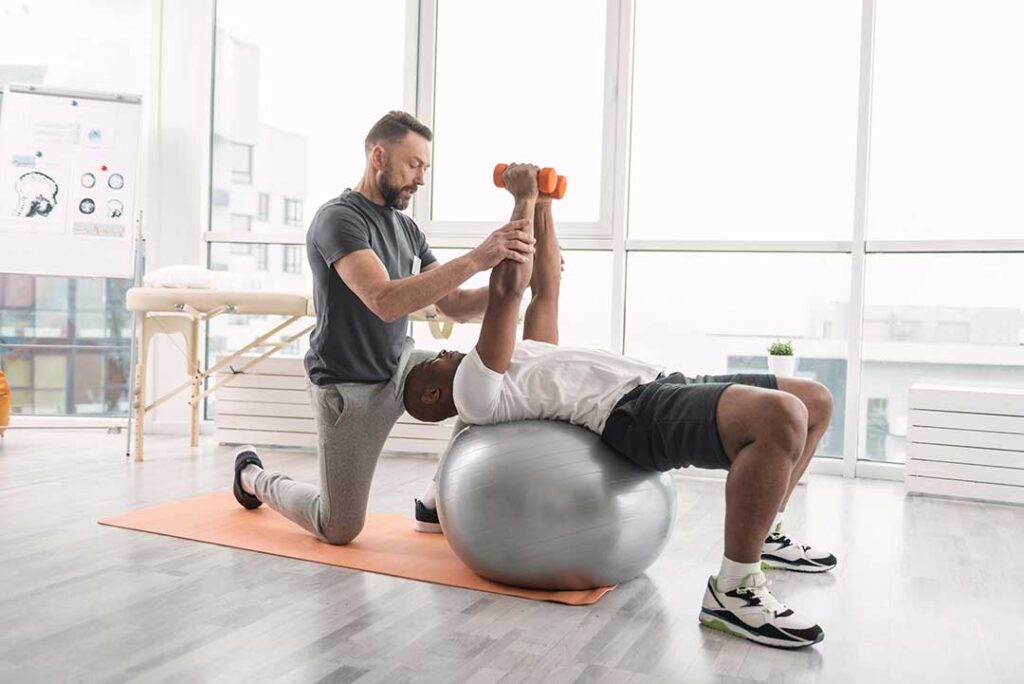
Stretching and gentle range-of-motion exercises can help restore flexibility and joint health. For example, after a leg injury, many in the area begin by walking local trails with even surfaces or using a home exercise bike before trying more vigorous activities or uneven terrain. Avoid jumping activities, high-impact sports, or heavy lifting immediately after most injuries.
How Can Progress Be Safely Monitored?
Tracking response to exercise helps prevent overdoing it. Signs that a new level of activity is too much include:
- New or worsening pain during or after exercise
- Swelling, bruising, or warmth around the injury site
- Increased fatigue or loss of coordination
A practical strategy used by many in the city is the “10% rule” — increasing activity time, distance, or difficulty by no more than 10% per week. This slow progression allows tissues to adapt and alerts you early if problems return. Keeping a simple log of activity and symptoms is a helpful way to spot patterns and make informed adjustments.
What Are Common Mistakes People Make When Returning to Exercise?
Trying to “make up for lost time” is a frequent mistake. Other pitfalls include:
- Skipping proper warm-up and cool-down routines
- Starting high-impact activities too soon
- Ignoring warning signs such as pain or instability
Recovery timelines are highly individual, even for similar injuries. In the local community, the pressure to join group exercise classes or participate in neighborhood events may be strong. Remember that safe progression serves long-term health far better than rushing back.
Should Any Movements or Activities Be Avoided Altogether at First?
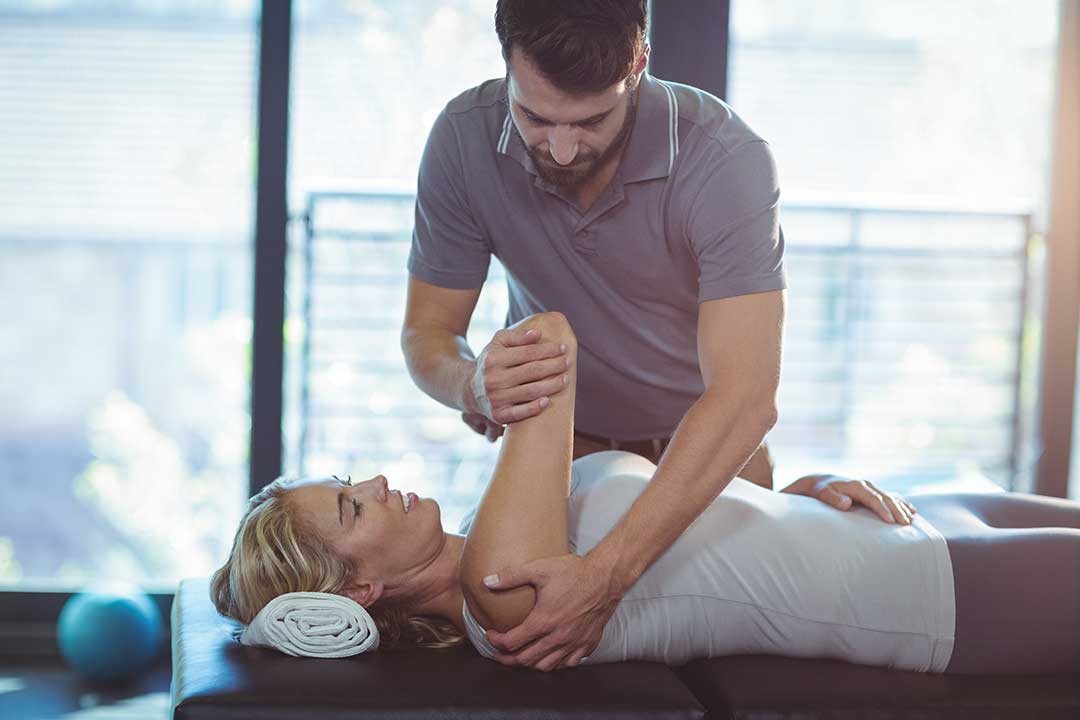
Movements that stress the healing area—such as twisting, heavy lifting, or deep bending—should be postponed until basic strength and mobility return. For example, someone with a shoulder injury should avoid overhead reaching or carrying heavy loads until cleared for those movements. If certain activities are necessary for work or family, ask if modifications (shorter sessions, lighter tasks) are possible. This is especially relevant for those returning to physically active hobbies or household chores.
How Can Everyday Activities Be Adapted During Recovery?
Daily routine often needs small tweaks during recovery. Examples include:
- Using two hands to carry bags, especially in slippery or icy conditions
- Taking extra care on stairs; using handrails, and slowing down the pace
- Requesting help with snow shoveling or heavy lifting
- Sitting for gardening or yard tasks to reduce back and knee strain
Staying active with safe alternatives—like indoor stretching, light walking, or resistance bands—can help maintain fitness and lift mood while avoiding injury risks.
How Important Is Warming Up and Cooling Down?
Both are essential, especially after an injury. A warm-up helps blood flow to muscles and prepares joints for movement, reducing re-injury risk. Examples include five to ten minutes of easy walking, cycling, or arm circles. Cooling down with gentle stretching keeps muscles flexible and may help reduce soreness.
These habits are particularly useful in Fairport’s cool seasons, where cold muscles are more injury-prone.
When Should Professional Medical Advice Be Sought?
If pain worsens, swelling increases, or function declines during recovery, consult a medical professional. Sudden loss of movement, numbness, or visible deformity always need prompt attention. Returning to exercise safely means understanding each body’s unique response—no two recoveries are identical, and local residents benefit most from patience, gradual progress, and listening to their bodies.