

 See My Latest Article on HelloNation
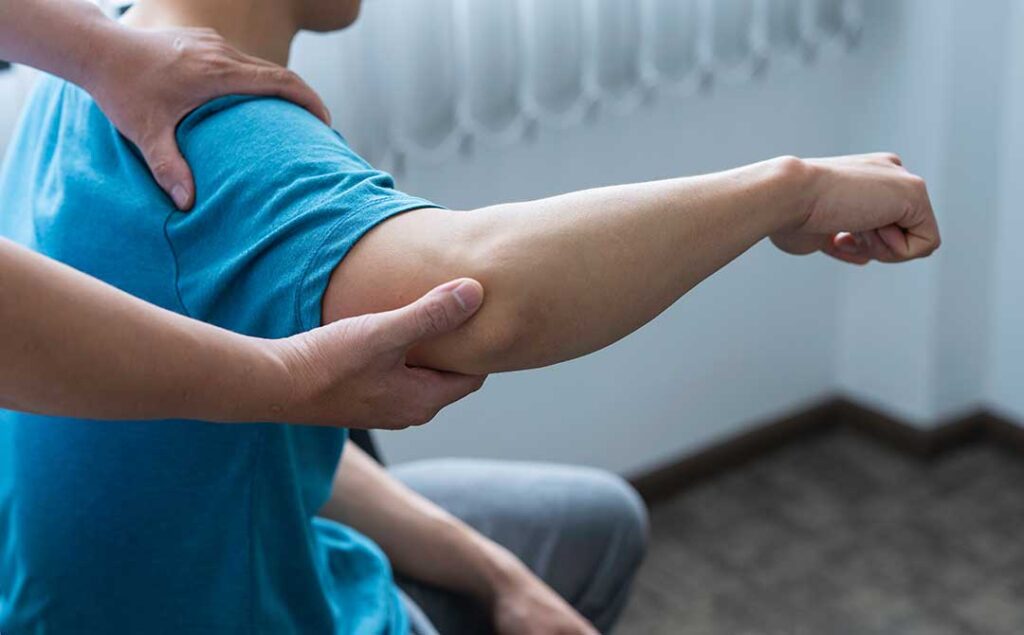
How Do You Know If Physical Therapy Could Help?
Many in Fairport, NY find themselves uncertain about whether physical therapy is appropriate for their situation. The signs are not always straightforward, and uncertainty can lead to unnecessary discomfort or slowed recovery. In general, if pain, restricted movement, or physical limitations begin to significantly interfere with daily routines, work, or hobbies, a closer look is warranted.
What Are Common Signs You Might Benefit From Physical Therapy?
Unresolved pain or functional limitations often prompt local residents to wonder if therapy could make a difference. Physical therapy is designed to assist with a wide range of musculoskeletal and movement problems. Some indicators include:
- Pain lasting more than a couple of weeks, despite rest or typical home care
- Loss of mobility that affects tasks such as walking, climbing stairs, or carrying groceries
- Recent injuries (such as falls on icy Fairport sidewalks, sports strains, or car accidents) that result in swelling, stiffness, or weakness
- A gradual return of pain after certain activities, like gardening, snow shoveling, or yard work
- Difficulty recovering full movement after a surgery or extended period of immobility
Many assume only severe injuries justify therapy, but persistent, moderate symptoms can also warrant attention, especially if they limit daily functioning.
Is It Just Normal Aging, or Something More?
It’s common for residents—especially older adults—to attribute joint discomfort or balance problems to aging. While some wear and tear is typical, ongoing stiffness, frequent falls, or increasing reliance on handrails may indicate a treatable condition. Local clinics see many patients regain confidence and independence with properly guided exercises and education, dispelling the belief that progressive limitation is simply inevitable.
Can You Address the Issue on Your Own, or Should You Seek Guidance?
Self-care is a first step for many in Fairport; cold packs, heat, gentle stretches, and over-the-counter remedies are common approaches. But if these measures do not bring noticeable improvement within a week or two, or if the issue recurs despite self-care, more targeted intervention may be needed.
Specific symptoms that should not be ignored include:
- Numbness, tingling, or weakness in the arms or legs
- Joint pain that is accompanied by redness, swelling, or warmth
- Difficulty bearing weight after a twist, slip, or fall
These signals may point to conditions that recover more effectively and safely with professional involvement.
How Does Seasonality and Local Lifestyle Factor In?
The climate and landscape of Fairport influence activity patterns and injury risks. Slippery winter conditions can cause falls that lead to back, hip, or knee pain, while summer months see an uptick in gardening and outdoor injuries. Residents may overlook the impact that seasonal chores (such as snow removal or raking) can have on muscles and joints. If soreness after these activities persists longer than expected, or movement feels restricted in the days following, physical therapy assessment may be worthwhile.
Not Just for “Athletes” or Serious Injuries
A frequent misconception in the community is that therapy is only for athletes or major traumas. In reality, support is available for less dramatic, but still disruptive, issues such as chronic headaches from poor posture, repetitive strain from desk work or crafts, or gradual loss of strength that makes daily routines more challenging.

What About Children and Teens?
Physical therapy is not limited to adults. Parents should monitor for signs like persistent limping, avoidance of play, or complaints of joint pain, particularly during sports seasons or growth spurts. Early attention can often prevent longer-term problems and allow children to participate comfortably in activities around the community.
When Is Immediate Medical Attention More Appropriate?
Certain symptoms call for urgent care rather than physical therapy as a first step:
- Sudden, severe pain that does not subside
- Loss of bowel or bladder control accompanying back pain
- Signs of infection (fever, redness, severe swelling)
- Obvious deformity after an injury
In these situations, prompt evaluation by a medical provider is essential, as they may suggest additional testing or treatment before considering therapy.
What Expectations Should You Have If You Start Physical Therapy?
Questions about what’s involved in therapy are common among area households. Typically, physical therapy focuses on long-term improvement, not quick fixes. Residents can expect a combination of education, hands-on techniques, and customized exercises—often designed to be performed both in a supervised setting and independently at home. The aim is to restore comfortable movement for everyday tasks and prevent future injury.
Progress is usually gradual, and communication about goals and concerns is encouraged throughout the process. Modifications may be needed seasonally based on weather, outdoor chores, or changes in household activity patterns typical for the Fairport area.
Are There Situations Where Physical Therapy Might Not Be Necessary?
Not every ache or pain needs extensive intervention. Short-term muscle soreness from an isolated incident or basic stiffness after an unusual activity often responds to self-care and time. Residents should maintain awareness, though, for symptoms that persist, worsen, or interfere with valued parts of daily life—these are the scenarios most likely to benefit from professional assessment and guidance.