

 See My Latest Article on HelloNation

What Happens When You Arrive?
Your initial physical therapy visit in Fairport, NY typically begins with a check-in process. Here, you’ll fill out paperwork about your medical history, current symptoms, and any prior treatments. Local facilities may also ask about your lifestyle – for example, how winter ice, outdoor recreation, or home layouts in Fairport influence your activity and risk of injury.
You’ll likely discuss:
- Current medications
- Previous surgeries or health conditions
- Specific concerns and goals related to living in the local climate (such as shoveling snow, gardening, or managing stairs in multi-story homes)
Dress comfortably for movement, as you may be asked to demonstrate basic activities or perform physical tests.
What Does the Assessment Involve?
Expect a thorough conversation and physical assessment during your first session. The physical therapist will ask about the history of your injury or condition. Be prepared to describe when your symptoms started, what makes them better or worse, and how your daily activities in Fairport are affected.
Hands-on assessment may include:
- Observing posture or walking patterns
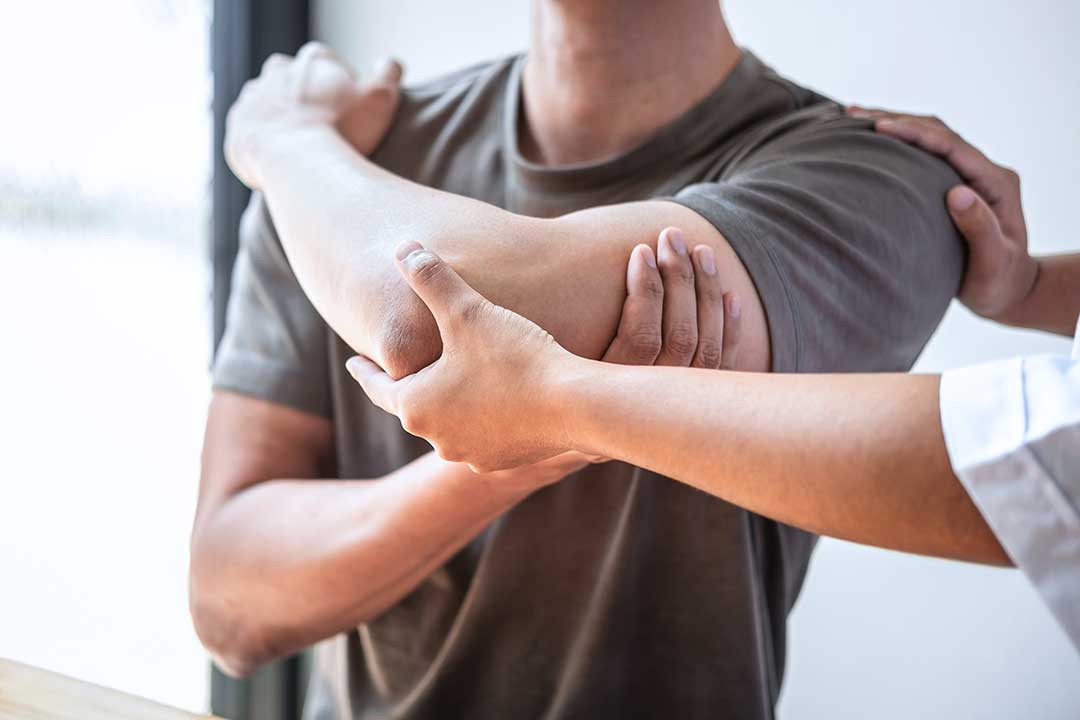
- Testing your range of motion, strength, or flexibility
- Checking for swelling, tenderness, or joint function
Some therapists incorporate local context, such as how navigating icy driveways, local sports, or seasonal outdoor chores might affect your mobility or risk of falls.
How Is a Treatment Plan Created?
After the assessment, the therapist will explain their findings and outline a care plan. This is typically tailored to your specific needs and to the local environment – for example, preparing for return to activities such as hiking, biking along the Erie Canalway, or simply walking pets in neighborhood parks.
A care plan usually includes:
- Clear goals (e.g., reducing pain, improving strength, regaining balance)
- Frequency and duration of sessions, based on your condition and local insurance practices
- Exercises and strategies to continue at home
Local therapists consider lifestyle factors unique to the area, such as safe movement during icy winters or adapting home exercise routines for varied local housing types.
Will There Be Exercises on the First Day?
Many first visits include basic exercises or stretches, though initial movements are usually gentle and designed to assess your response. The therapist demonstrates proper form and may provide written instructions. In Fairport, these might be adapted for challenges like limited space in local homes or specific risks of the region’s weather and foot traffic conditions.
You might also receive advice on:
- Managing pain or swelling at home (such as when to use heat vs. ice, especially relevant during seasonal temperature swings)
- Safe ways to move while running errands, taking part in local events, or carrying groceries
How Long Does the Appointment Last?
A first session typically ranges from 45 to 60 minutes. This gives sufficient time for discussion, assessment, tentative exercises, and any initial education. Some variation exists based on insurance and individual needs, but allow at least an hour for the visit, especially if weather or traffic around Fairport may delay travel.
What Should You Bring or Prepare?
Bring:
- Health insurance information and necessary authorizations
- A list of medications and healthcare providers
- Comfortable clothing and supportive footwear
Some residents also bring photos of their home environment or descriptions of physical challenges unique to their day-to-day life in the city, such as getting in and out of older homes or up/down steep driveways.
Are There Common Misconceptions About Physical Therapy Sessions?
A common misconception is that physical therapy is always strenuous from the outset. In reality, Fairport therapists adjust intensity to your current abilities and comfort level. The goal of the first visit is to gather information and set achievable, tailored goals – not to push you into pain or exhaustion.
Another myth is that therapy only continues if there is immediate, dramatic improvement. Progress is typically gradual, especially for issues like chronic pain, post-surgical recovery, or returning to seasonal sports.
What Happens After the First Visit?
Following your initial session, you’ll often leave with:
- A clearer understanding of your diagnosis and what contributes to your symptoms in the context of the local environment
- Home exercises or specific self-care instructions, with consideration for available space, equipment, and seasonal factors in the community
- A schedule for follow-up visits – frequency may depend on your goals, insurance, and preferred times, especially if you’re balancing work, school, or outdoor activity
Therapists in the area frequently encourage questions and practical feedback, especially when road conditions, snow, or local facilities may affect your attendance or ability to exercise.
How Does the Local Climate or Community Impact Physical Therapy?
Fairport’s changing seasons, older housing stock, and active community life shape both injuries and recovery strategies. For example:
- Winter may increase risk of falls or aggravate joint pain, making balance training or indoor exercise recommendations especially relevant
- Local physical therapy routines may be adapted for residents who garden, walk dogs, or participate in area recreation
- Therapists stay aware of how weather, housing features (like narrow staircases), and access to parks or trails can limit or inspire at-home exercise routines
Understanding how local factors blend with your personal story is a central part of building an effective plan for recovery or management.