

 See My Latest Article on HelloNation
Why Does Balance Matter as We Age?
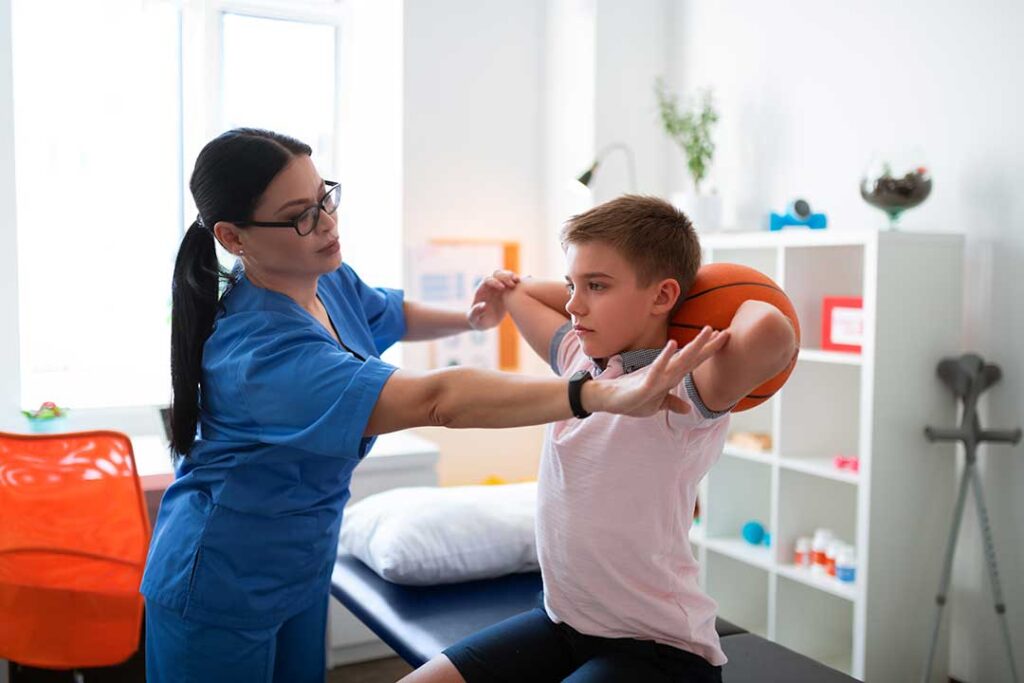
As people get older, maintaining steady balance becomes more challenging for several reasons—muscle weakness, slower reflexes, and certain health changes. These issues can increase the risk of falls, which often lead to injuries such as sprains or fractures. For residents of Fairport, NY, snowy winters, wet leaves, and occasional icy sidewalks can make daily tasks riskier. Simple, effective exercises practiced at home can help area households stay steadier on their feet throughout the year.
What Are the Most Practical Balance Exercises for Home Use?
Many balance exercises can be done indoors with minimal space or equipment, making them easy to fit into routines regardless of local weather. A few widely recommended movements include:
- Heel-to-Toe Walk: Walking in a straight line, placing the heel of one foot directly in front of the toes of the other. Try this along a hallway for extra support if needed.
- Single-Leg Stance: Stand behind a sturdy chair, holding it lightly for support. Lift one foot and balance for up to 30 seconds, then switch.
- Side Leg Raises: Stand straight, holding a counter for support. Gently lift one leg out to the side, hold for a moment, then lower. Repeat on each side.
These exercises target the muscles and reflexes involved in keeping balance, and repeating them several times weekly supports ongoing improvement. It’s common in this community to use indoor spaces—like living rooms or kitchens—for these routines, especially during the winter months.
How Often Should Balance Exercises Be Performed?
Ideally, balance training should be done at least 2-3 times a week. Consistency matters more than intensity. Short, regular practice sessions tend to yield better results than occasional, longer efforts. Some area residents set aside five to ten minutes during routine activities, such as after brushing teeth or before heading out, making the exercises easier to remember.
Are There Common Misconceptions About Balance Training?
Many people believe that balance is simply a matter of “standing still”—but effective practice challenges multiple muscles and the nervous system. Another misconception is that only older adults benefit from these exercises. While falls are more likely as people age, anyone, including middle-aged adults, can strengthen their stability and coordination.
It’s also easy to assume that balance only improves with difficult, gym-based activities. In reality, gentle, repeated movements—performed mindfully on familiar household flooring—can provide steady gains for most people in the community.
What Are Good Progressions for Improving Balance Over Time?
If basic exercises become easy, local residents can safely add new challenges:
- Stand on a less stable surface, like a thick rug or exercise mat, once comfortable with a flat floor.
- Close eyes during single-leg stances to increase difficulty—but only if secure and safe from tripping.
- Incorporate gentle movement, such as turning the head or reaching overhead while balancing.
Local homes often have supportive features, like wide counters or sturdy chairs, to provide confidence during these progressions. It’s best to make small changes one at a time and revert to an easier version if unsteady.
How Do Strength and Flexibility Affect Balance?
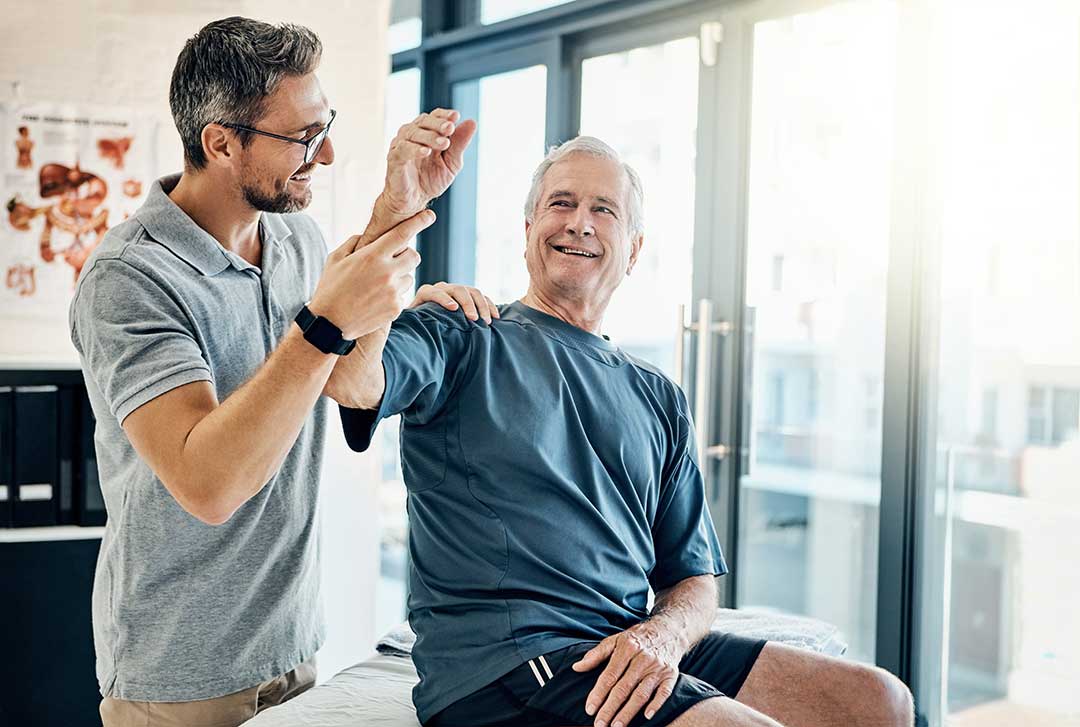
Balance isn’t just about controlling movement; strength in the ankles, legs, and core helps prevent stumbles. Flexibility in the legs and hips also makes it easier to react quickly to a loss of footing—relevant during the region’s variable seasons with slippery conditions outside.
Residents who do not already stretch regularly may find simple routines, such as gentle calf and hamstring stretches, helpful for balance. Combining stretching and gentle strength exercises with balance practice creates a more solid foundation for everyday activities.
What Role Does Footwear Play in Preventing Falls?
The right footwear—supportive, with non-slip soles—is a practical first line of defense against falls, especially indoors. Many Fairport homes feature wood, tile, or linoleum flooring, which can become slick, particularly in winter when boots track in moisture. Shoes or slippers with a good grip help prevent unnecessary slips during balance exercises and household routines alike.
Are There Environmental Factors to Consider at Home?
Household modifications can make practicing balance safer and everyday movement more secure:
- Keep walkways clear of clutter, power cords, and loose throw rugs
- Ensure adequate lighting in hallways and bathrooms, especially during early morning or night use
- Install grab bars near steps or in bathrooms if there is any history of falls
Taking small steps to reduce hazards around the home complements exercise efforts, making routines both safer and more effective for the local population.
What Signs Suggest That Balance Training Should Be Adjusted?
If balance exercises cause sudden dizziness, pain, or repeated near-falls even with support, it’s wise to pause and reevaluate the approach. Some area residents mistakenly “push through” these issues, thinking progress requires discomfort. In most cases, symptoms like these mean it’s time to slow down, simplify the exercise, or speak with a medical professional about underlying health conditions.