

 See My Latest Article on HelloNation
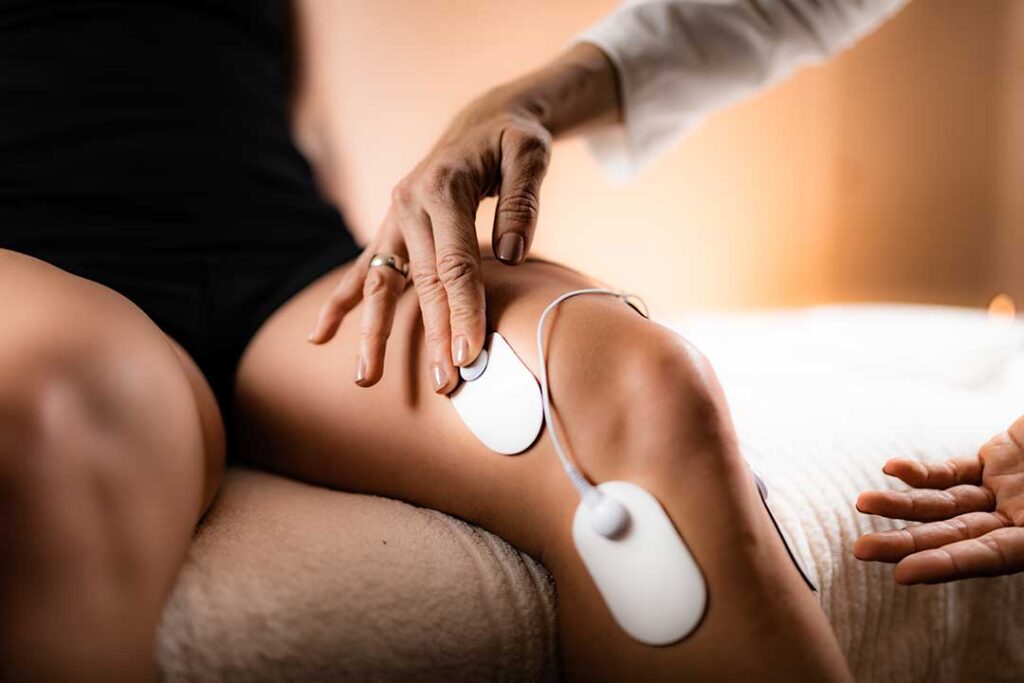
How Does Physical Therapy Help With Surgical Recovery?
Physical therapy plays a crucial role after surgery by addressing pain, restoring movement, and helping people regain abilities needed for day-to-day life. Even procedures considered "minor" can impact muscles, joints, and nerves. Therapy’s structured approach reduces the risks of complications and helps residents of Fairport, NY acclimate more quickly back into local routines, including safely returning to favorite parks, errands, or household tasks that are common within the community.
Therapists work closely with post-surgical protocols, which often specify safe timelines for activities and exercises. For most surgeries, early movement—guided by physical therapists—protects healing tissues while preventing unnecessary stiffness and weakness. The process is adapted to each person’s health, activity level, and the requirements of recovering at home, which can vary depending on local winter weather or mobility considerations in and around homes common in Fairport.
What Are the Key Principles for Speeding Up Surgical Recovery?
Safely accelerating recovery after surgery is about following a well-planned movement progression, staying consistent, and listening to your body’s warning signs. The most effective rehabilitation plans share a few key elements:
- Progression: Starting with gentle motion and weight-bearing appropriate for the healing stage, progressing to strength-building and functional practice.
- Consistency: Attending scheduled therapy sessions, performing home exercises as prescribed, and making small movements throughout the day.
- Communication: Reporting pain, swelling, or unusual symptoms to your therapist and surgical team so your recovery can be adapted if needed.
- Personalization: Adapting protocols to fit the area’s seasonal influences, like weather-related changes in walking routines or at-home exercise adjustments during winter.
These principles help minimize setbacks and support a smoother return to activities enjoyed by Fairport residents.
What Can Local Residents Expect During Post-Surgical Physical Therapy?
Therapy after surgery in this area frequently begins within days of the procedure—sometimes even the same day if the procedure allows. Initial sessions often focus on pain relief, swelling management, and basic mobility, which are essential for navigating stairs or uneven walkways that are common in local neighborhoods.
- Range of Motion: Passive and active movements reduce joint stiffness and muscle tightness.
- Strengthening: Gentle strengthening to prevent loss of muscle mass, gradually increasing in intensity.
- Balance and Mobility: Especially important after lower-body operations, helping residents move safely indoors and outdoors.
- Gait Training: Practice with assistive devices or to improve walking pattern, if required.
Therapists also educate on safe movements for typical household activities, adapting recommendations for common home layouts in Fairport, such as negotiating basement steps or snow-covered pathways.
What Are the Most Useful At-Home Tips?
Residents recovering after surgery can support their therapy by making daily routines safer and smarter:
- Set a movement schedule: Use reminders or daily habits—such as gentle stretches during TV or meal prep breaks—to stay active without overdoing it.
- Prepare pathways: Keep hallways, stairs, and entrances clear of clutter, ice, or snow to reduce fall risks, especially during typical winter months.
- Listen to pain patterns: Mild soreness is normal, but shooting, severe, or worsening pain can signal an activity is too aggressive.
- Use supports wisely: Walkers, canes, or handrails can be helpful for early mobility around the home or neighborhood.
- Stay hydrated and nourished: Proper nutrition and fluid intake aid tissue repair and help regulate energy during recovery.
Many local homes have multiple floors or entry steps. If mobility is temporarily limited, setting up a comfortable area on the main floor—close to a bathroom and kitchen—can decrease strain and reduce fall risk.
What Delays Recovery and How Can These Be Avoided?
Misconceptions about recovery often lead to mistakes that can slow progress:
- Skipping Exercises: Pausing therapy for several days without medical direction can set back flexibility and strength gains.
- Ignoring Restrictions: Doing too much too soon—such as shoveling snow or carrying heavy grocery bags—can damage healing tissues.
- Neglecting Swelling or Infection Signs: Noticing but downplaying excessive swelling, heat, or redness around the surgical area can allow complications to worsen.
- Not Adapting to Weather: Trying to walk outdoors before ice or snow has been addressed can result in falls and injuries. Adapt activities to suit the season.

Staying patient, respecting limits, and maintaining regular check-ins (in person or virtually when severe weather prevents travel) support safer, quicker recoveries.
When Should Activity Levels Be Increased?
Therapists guide residents through carefully timed progression from simple tasks, like getting out of bed or to the bathroom, toward more challenging goals, such as returning to hobbies or sports.
It’s usually safe to advance activity when:
- Swelling and pain have steadily decreased after exercise
- Range of motion improves as expected
- Movements feel smoother and more confident
- The therapist provides specific approval based on recovery markers
Rushing ahead independently—based on feeling “ready”—can jeopardize healing, particularly if seasonal changes or home conditions present extra hazards.
How Can Recovery Be Made Smoother During Fairport’s Seasonal Changes?
Unique challenges like icy driveways or early sunsets in the community can shape post-surgery routines. To adapt:
- Shift walking practice to well-lit, indoor spaces during poor weather.
- Ask neighbors or family for help clearing outdoor pathways if you must venture outside.
- Consider footwear with good traction, or use ice grips if walking outdoors is necessary.
- Adjust home exercises to fit smaller indoor areas during snowy months.
Knowledge of local weather patterns, daylight hours, and home setups allows area residents to better anticipate and overcome routine challenges during rehabilitation.