

 See My Latest Article on HelloNation
What Causes Knee Pain While Running?
Knee pain from running typically comes from overuse, improper mechanics, or environmental factors. For many residents in Fairport, knee discomfort is most often linked to a combination of repetitive movements, strength imbalances, and running surfaces.
Common causes include:
- Weak hip or thigh muscles, which put more strain on the knee joint
- Poor flexibility, especially in the calves and hamstrings
- Wearing unsupportive footwear or shoes that are worn out
- Abruptly increasing mileage or running intensity
- Running mostly on hard or uneven surfaces like certain sections of the Erie Canalway Trail, paved sidewalks, or sloped suburban streets
Local runners may also feel knee stress during icy winter months, where slipping or altered stride patterns can subtly overwork the knees.
How Can Everyday Runners Reduce Their Risk?
Gradually building up training routines and listening to your body are reliable ways to reduce risk. Even experienced local runners sometimes forget the value of slow progression and regular technique checks.
Practical tips for area runners:
- Increase weekly running distance by no more than 10% per week
- Warm up with gentle movements before accelerating pace
- Mix up running routes to avoid overusing the same muscles or joints
- Pay attention to pain that lasts beyond a run, especially at the front or sides of the knee
Residents should also factor in seasonal variations, such as wet leaves or hidden potholes in autumn and early spring, which can cause sudden missteps.
Are There Exercises That Help Protect Knees?
Strengthening and stretching the right muscle groups is often effective for preventing discomfort. Protective routines don’t require advanced equipment and can be done at home or in local parks.
Key areas to strengthen include the quadriceps, glutes, and hip muscles. Common exercises:
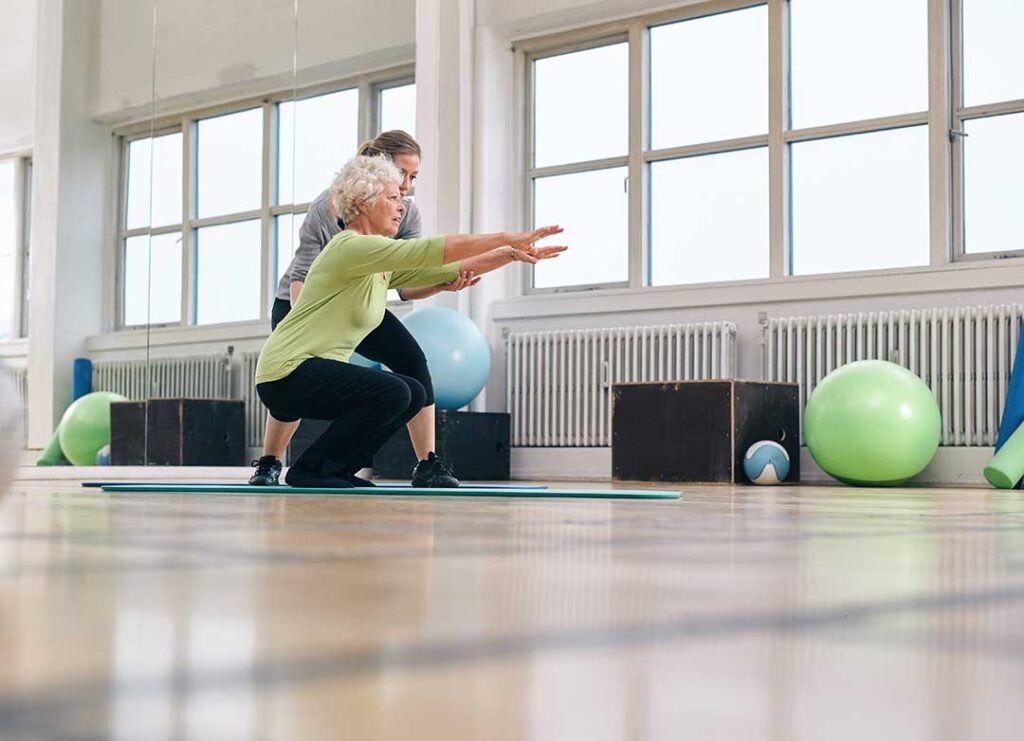
- Bodyweight squats and lunges for leg strength
- Side-lying leg lifts to support hip control
- Calf raises for ankle and knee stability
- Static stretching for calves, hamstrings, quads, and IT band after workouts
Even a short routine, if done consistently, can help. Many in the community find that adding core exercises also supports better overall running posture.
Do Surface Conditions in Fairport Affect Knee Health?
Yes, the surface you run on makes a meaningful difference. The city offers a mix of sidewalks, paved and gravel trails, and occasional grassy areas. Each type has its pros and cons for knee health.
- Pavement is convenient but can contribute to repetitive impact, especially over long distances
- Gravel or dirt trails, like some Erie Canal pathways, may be softer but require more ankle and knee stability
- Grass provides cushion but may hide holes or become slippery in wetter months

Switching surfaces occasionally can help reduce repetitive strain. Remember, snow or ice—common in the local climate—demands extra care with pace and footwear. Some runners in the area shift to treadmills or indoor tracks for part of the winter to minimize slipping risk.
Is Stretching Before and After Running Necessary?
Light warm-up activities and after-run stretching both have clear roles. Rather than classic static stretching before a run, residents benefit more from a dynamic warm-up: gentle lunges, leg swings, or brisk walking to loosen muscles.
After a run, gentle static stretches of calves, quads, and hamstrings can help maintain flexibility around the knee. Consistent attention to both warming up and cooling down reduces the chances of stiffness and lingering pain, especially as temperatures fluctuate through the year.
What Footwear Considerations Matter Most?
Supportive and well-fitted shoes are especially important for area runners. Old or worn-down soles can increase stress on the knee joint, and shoes that don’t match your foot mechanics may contribute to discomfort over time.
Residents often replace athletic shoes after about 300-500 miles of use. It’s worth tracking roughly how far you run each week and checking shoes periodically for signs of wear, like uneven tread or visibly compressed cushioning.
In winter and early spring, waterproof or textured soles may provide added confidence and minimize slips on wet or icy sections of neighborhood roads and trailheads.
When Should Someone Rest or Seek Further Guidance?
Any knee pain that lingers or worsens with activity should be taken seriously. Occasional aches that resolve with a day of rest are common; persistent swelling, sharp pain, or instability deserve more caution.
Misconceptions sometimes spread about “pushing through” mild injuries. Instead, taking short breaks, cross-training with swimming or biking, and modifying run volume often allow for healing before a minor issue turns into a bigger problem.
If knee pain persists despite simple adjustments or is associated with obvious injury (such as a pop, immediate swelling, or inability to move the joint), taking a break from running and considering further evaluation is a smart step for athletes of any experience level.
What Mistakes or Myths Should Fairport Runners Avoid?
Some commonly held beliefs can set runners back:
- Running only on roads or hard surfaces, believing it’s easier or safer
- Ignoring early signs of discomfort, hoping it will resolve with more mileage
- Stretching aggressively before warming up
- Over-relying on knee braces without addressing underlying strength or flexibility gaps
Runners sometimes overlook how weather, local trail conditions, and daily routines affect their knee health. Adapting routines during high-risk seasons or after periods of inactivity is often more protective than any single piece of gear or rapid technique change.