

 See My Latest Article on HelloNation

Sleep quality often suffers when pain, stiffness, weakness, or limited mobility makes it difficult to get comfortable. Physical therapy can help by addressing the movement and musculoskeletal problems that interrupt sleep, while practical changes to daily activity and bedtime positioning may reduce nighttime discomfort.
Most adults need at least seven hours of sleep each night, but sleep quality also depends on how often a person wakes up and whether sleep feels restorative. ([cdc.gov](https://cdc.gov/sleep/about/index.html?utm_source=openai))
How can physical therapy improve sleep?
Physical therapy may improve sleep indirectly by making movement less painful and more efficient. Treatment can address joint stiffness, muscle weakness, balance problems, postural habits, and sensitivity to movement. When these factors improve, turning in bed, standing after rest, walking during the day, and finding a comfortable position may become easier.
Pain and sleep can also reinforce each other. Poor sleep may increase sensitivity to pain, while pain can make it harder to fall asleep or stay asleep. A physical therapy plan may include gradual strengthening, mobility exercises, activity pacing, breathing strategies, and education about positions that reduce strain.
Physical therapy is not a replacement for evaluation of a sleep disorder. However, sleep concerns are relevant to musculoskeletal care and should be discussed when pain regularly interferes with rest. ([pubmed.ncbi.nlm.nih.gov](https://pubmed.ncbi.nlm.nih.gov/42686163/?utm_source=openai))
Which exercises are most helpful before bed?
Gentle movement is usually more suitable before bedtime than a demanding workout. The goal is to reduce stiffness and calm the body, not to create fatigue or soreness.
A short evening routine might include:
- Slow neck turns within a comfortable range
- Shoulder rolls and relaxed arm movements
- Gentle pelvic tilts while lying on the back
- Easy knee-to-chest movements, if comfortable
- Light calf, hip, or hamstring stretching
- Five minutes of quiet diaphragmatic breathing
Hold stretches gently rather than forcing a range of motion. Stop if an exercise causes sharp pain, increasing numbness, new weakness, dizziness, or symptoms that continue to worsen afterward.
More vigorous exercise can support sleep when performed earlier in the day. Exercising intensely right before bed may leave some people more alert or physically uncomfortable. Daytime walking, particularly during the colder months when outdoor activity may be less consistent, can be replaced with safe indoor movement when needed. ([cdc.gov](https://www.cdc.gov/heart-disease/about/sleep-and-heart-health.html?utm_source=openai))
What is the best sleeping position for back, neck, or shoulder pain?
There is no single ideal position for everyone. The most useful position is one that keeps the spine reasonably supported and does not increase symptoms.
For back discomfort, side-lying with a pillow between the knees may reduce twisting through the pelvis. Some people prefer lying on the back with a pillow under the knees. A small rolled towel may provide support, but excessive elevation can create new strain.
For neck discomfort, the pillow should fill the space between the head and mattress without pushing the head sharply upward or allowing it to fall backward. Side sleepers often need more pillow height than back sleepers because of shoulder width.
For shoulder pain, sleeping on the opposite side or on the back may be more comfortable. Supporting the affected arm with a pillow can reduce pulling on the shoulder. Sleeping directly on a painful shoulder often increases pressure and may lead to repeated awakenings.
Mattress firmness, pillow size, and body shape all affect comfort. A new mattress is not automatically the answer, and changing equipment without addressing movement limitations may provide only temporary relief.
How can daytime habits affect nighttime pain?
Sleep preparation begins well before bedtime. Long periods of sitting, repeated bending, or an abrupt increase in household and recreational activity can make evening symptoms worse.
Helpful habits include:
- Changing positions regularly during desk work or driving
- Taking short movement breaks instead of waiting until stiffness builds
- Dividing physically demanding chores into smaller periods
- Using a hip hinge when lifting rather than repeatedly rounding the back
- Increasing walking or exercise gradually
- Recording which activities lead to nighttime symptoms
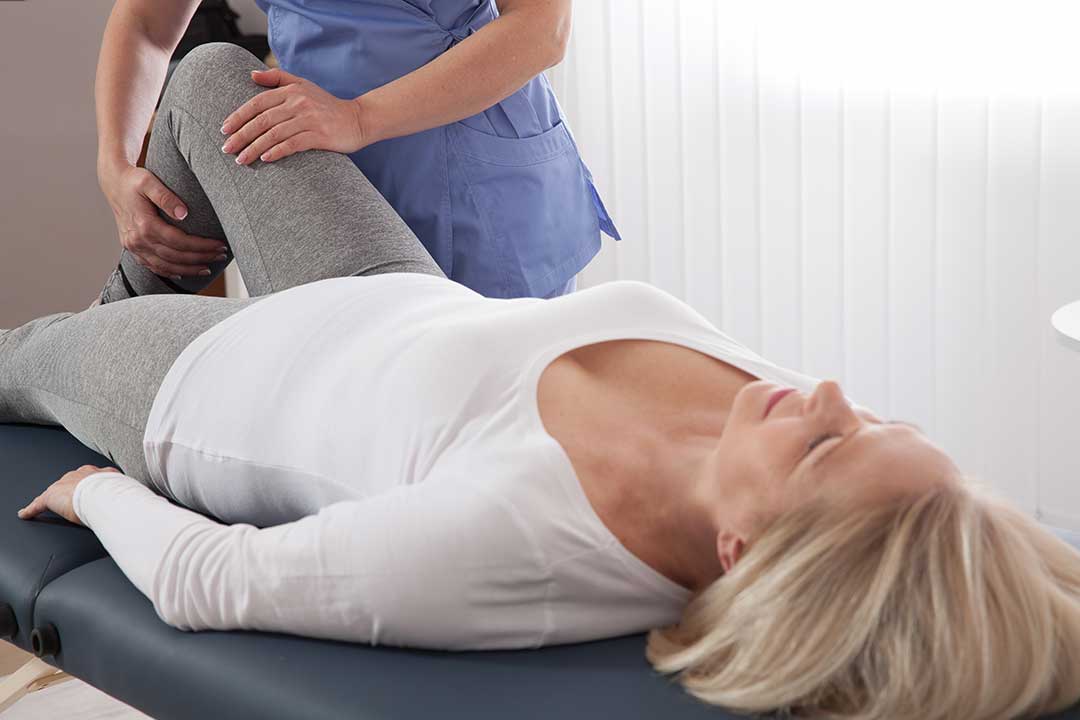
In Fairport, seasonal changes can affect these habits. Cold weather may encourage longer periods indoors, while snow, ice, or heavier winter clothing can alter walking patterns and increase physical demands during chores. A gradual warm-up and realistic pacing are often safer than trying to complete a large amount of seasonal work in one session.
Should pain be treated with rest or movement?
Complete rest is rarely helpful for ordinary stiffness and many mechanical pain conditions. Gentle, regular movement can maintain circulation, joint motion, and confidence. At the same time, pushing through severe pain or repeatedly aggravating symptoms can interfere with recovery and sleep.
A useful guide is the response later that day and the following morning. Mild, short-lived discomfort may be acceptable during rehabilitation. Pain that becomes progressively stronger, spreads, causes new neurological symptoms, or disrupts sleep more than usual may indicate that the activity needs to be modified.
Physical therapy commonly uses graded activity: starting with a manageable amount, monitoring the response, and increasing difficulty in small steps. This approach can be more useful than alternating between overactivity on good days and prolonged rest on difficult days.
When might poor sleep point to something other than muscle or joint pain?
Persistent sleep disruption may involve more than positioning or movement. Loud snoring, witnessed pauses in breathing, gasping, morning headaches, severe daytime sleepiness, or frequent nighttime urination can be associated with sleep apnea. An urge to move the legs, uncomfortable sensations at rest, or symptoms that improve only with movement may suggest restless legs syndrome.
A sleep problem lasting several weeks, especially when it affects driving, work, mood, or concentration, deserves medical discussion. Sleep hygiene measures alone may not adequately treat chronic insomnia; evidence-based care may include cognitive behavioral therapy for insomnia and evaluation for other sleep conditions. ([pubmed.ncbi.nlm.nih.gov](https://pubmed.ncbi.nlm.nih.gov/42686163/?utm_source=openai))
Urgent medical attention is appropriate for chest pain, severe shortness of breath, sudden weakness, new loss of bladder or bowel control, major trauma, or rapidly progressing neurological symptoms.
A practical evening plan
A simple routine can help identify which factors are affecting sleep:
1. Finish strenuous exercise several hours before bed when possible.
2. Take a brief, comfortable walk or perform gentle mobility work.
3. Use a supported sleeping position rather than repeatedly searching for comfort after pain begins.
4. Keep the bedroom quiet, dark, and comfortably cool.
5. Maintain a fairly consistent sleep and wake schedule, including weekends.
6. Track pain level, wake-ups, activity, and positions for one to two weeks.
This record can reveal patterns, such as symptoms following prolonged sitting, late household work, a particular sleeping position, or a sudden increase in activity. It also provides useful information when discussing persistent pain or sleep difficulty with a healthcare professional.